

Vibe coders have a bad reputation.
For months I’ve been seeing these takes:
“Vibe coding is a joke.”
“It’s toys, not tools.”
“Nobody ships production apps with this stuff.”
“Real engineers don’t vibe-code.”
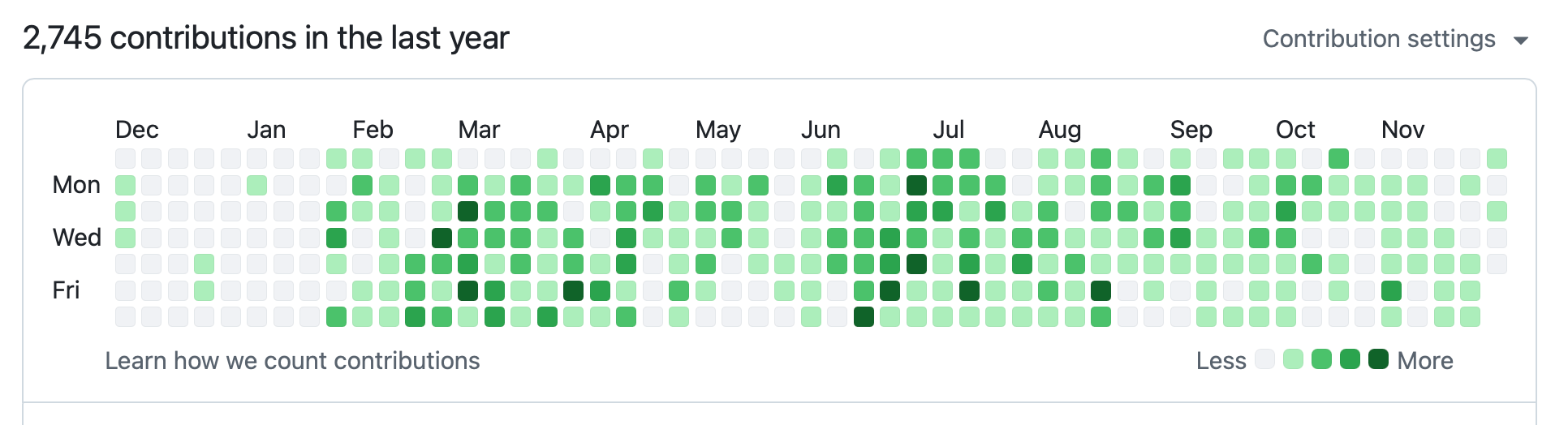
Every time I read one of those hot takes, I quietly look at my GitHub.

How could all that negativity be true? I have been able to create dozens of apps this year; some are long gone, but some have made it to production, and work incredibly well. How can I see SO MUCH GOOD, where others see only errors?
I could not solve this puzzle until a few days ago when I realized — my mental model was entirely wrong. What I think “vibe coding” means is not what most of you probably think.
My code doesn’t get worse because you call it by a different name, but what you think about it changes dramatically based on the name. That’s not very good, and I should fix it.
The Two Definitions of “Vibe Coding”
Definition A (what most critics mean):
Sit on a couch → open Lovable/v0/Bolt → type “make me a Twitter clone with auth and payments” → sip coffee → pray it works.
Zero planning. Zero architecture. Zero understanding. Pure vibes. Let the AI drive.
This is what people picture when they dunk on “vibe coding,” and you know what, they are right to dunk on it. That style breaks the moment you leave the happy path. It produces beautiful corpses—apps that look perfect until someone actually uses them.
Definition B (what I’ve been doing all year):
AI-assisted development on steroids.
I am not asking my AI for miracles. Instead, I design the architecture, plan the details, research unknowns, write the hard parts, and at the end, I still review [some of] the code that goes to production.
The difference is that 60–80% of the boilerplate, CRUD, UI scaffolding, refactors, tests, and even tricky algorithm implementations are done by AI first. I use AI to plan what to do, I use it for search, use to figure out how to do the product, but then, when it’s all ready, the AI writes first draft. It can do it faster and often better than I would have on my own. From there, we follow the same process to iterate and to finish till it works.
I’m not “vibing.” I’m directing an orchestra!
Taste and Experience Matter (for now)
The people who fail with “vibe coding” treat the AI like a junior dev, they push the AI around, set unrealistic expectations, and fire it for asking questions. The people who succeed, treat it like the world’s fastest, most obedient senior dev who never sleeps and will happily rewrite the same component 27 times until it’s perfect.
The difference isn’t the tools. It’s architectural taste, system design intuition, and ruthless code review—exactly the same skills that separated great engineers from average ones before AI existed. LLMs didn’t remove the need for skill.
Can We Please Retire the Phrase?
“Vibe coding” is now a polluted term. It means two completely opposite things depending on who’s saying it.
Right now, the loudest critics are reviewing a tricycle and declaring that all electric vehicles are toys—while a growing number of us are quietly shipping production apps at 10x speed and wondering what the fuss is about.
The tools aren’t holding us back anymore.
The words might be.
— Kirill Zubovsky
Since you’ve made it this far, a few more things to read:


